ALS community stories
Each person’s experience with ALS is different and comes with a unique set of challenges that spark inspiration and hope. It is through sharing these experiences that we can help one another.
Supporting Quality of Life Through Movement: The Role of Physiotherapy in ALS
September 21, 2026
-
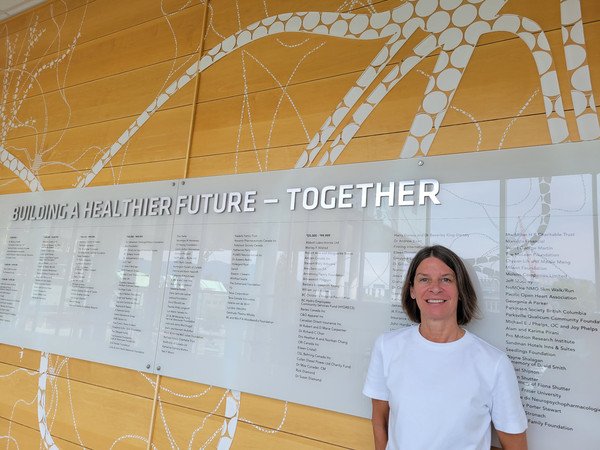
Gwyneth Moe, Physiotherapist at Djavad Mowafaghian Centre for Brain Health, shares how physiotherapy helps people living with ALS maintain mobility, comfort and independence, and why proactive care is essential.
Having access to a multidisciplinary care team can play an important role in helping people living with ALS maintain their quality of life throughout the disease journey. Across Canada, many ALS clinics bring together a team of healthcare specialists, including neurologists, nurses, occupational therapists, speech-language pathologists, respiratory therapists and physiotherapists, who work together to address an individual’s changing needs over time.
While many associate physiotherapy with recovering from an injury or rehabilitation after surgery, its role in ALS care is actually quite different. By coordinating closely with other specialists, a physiotherapist can help proactively manage symptoms to support a patient's comfort, mobility, safety and quality of life.
For physiotherapist Gwyneth Moe, one of the most rewarding parts of working in ALS care is that physiotherapy is never one-size-fits-all.
“It’s definitely a job of problem-solving,” Gwyn says. The role is based around critical thinking, working closely with patients to find solutions that make sense for their lives.
It’s a challenging and meaningful job … I'm always learning something new and actually learn probably the most from my patients themselves.
Over the past 20 years working with people living with ALS, Gwyn has learned that some of the most meaningful improvements come from practical solutions tailored to each person's unique needs.
In ALS, physiotherapy is rarely about dramatic interventions. More often, it involves identifying small adjustments that help someone conserve energy or move more comfortably, maintaining independence for as long as possible.
Just as important is the human side of care. As Gwyn puts it, “It’s not always about what you do. It’s about how you make people feel.” This is especially true with a progressive disease like ALS. Building trust and helping patients focus on their abilities, not just their challenges, is central to how she approaches every visit.
The Importance of Early Intervention
According to Gwyn, one of the most valuable aspects of physiotherapy in ALS care is its proactive approach.
“It’s not really about making someone better; it’s about optimizing what they have.”
In practice, physiotherapy is often front-loaded in ALS care. In the early stages of the disease, physiotherapy focuses on education, activity guidance and rapport-building. As the disease progresses, support may include more targeted interventions such as bracing, gait aids and referrals for equipment. In later stages, the focus shifts towards caregiver education, positioning and comfort to support patients at home.
The goal is not just to respond to changes as they happen, but to anticipate someone’s needs and adapt support as those needs evolve.
-

Gwyneth Moe (centre, holding the dog) and the team at the Djavad Mowafaghian Centre for Brain Health.
A Coordinated Approach to Care
The evolving role of a physiotherapist is closely tied to how care integrates within the broader ALS team. Rather than operating independently, it functions as part of a continuous, collaborative process.
Gwyn compares the process to a game of telephone, with each member of the care team adding on to the information gathered by the specialist before them. Patients are often first assessed by members of the care team such as a neurologist or nurse, who identify emerging issues and pass that information along for further in-depth assessment by the relevant clinician. Each clinician then builds on what has already been observed, refining their own assessment and narrowing in on the root of the problem.
“Each person adds a little more clarity, so we can get to the root of the problem,” explains Gwyn.
This collaborative approach helps ensure that care is responsive to the patient’s priorities and changing needs. For example, a mobility concern identified during assessment may lead to physiotherapy intervention, but it can also trigger input from occupational therapy for equipment or adaptive supports.
This level of coordination is especially important in ALS care, where patients are typically seen at intervals, and needs can change quickly between visits. Physiotherapists help bridge that gap by supporting caregivers and community providers, helping extend the impact of clinic-based care into patients’ day-to-day lives.
Over time, Gwyn has seen the role of physiotherapy become an increasingly important part of multidisciplinary ALS care. While ALS remains a progressive and complex disease, physiotherapy plays a vital role in helping people maintain function, comfort and independence for as long as possible.
Most importantly, by providing practical strategies, personalized support and close collaboration with the multidisciplinary team, physiotherapists help people living with ALS and their caregivers feel more confident navigating every stage of their journey.